
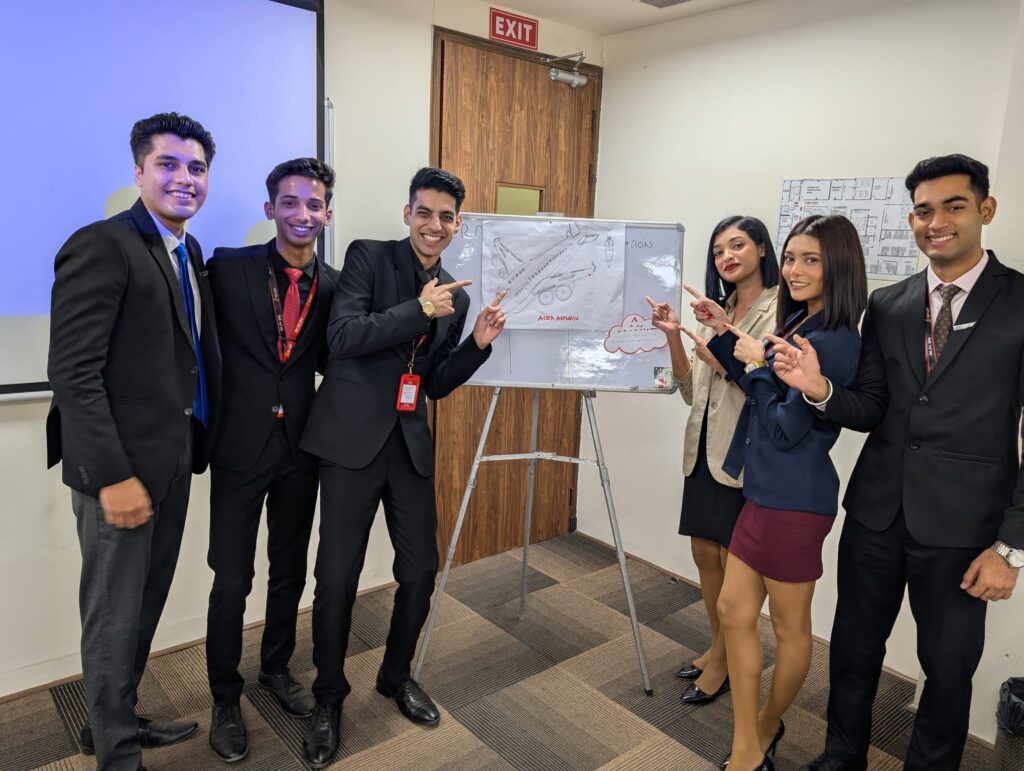
Before starting duties on board an aircraft, every cabin crew member must hold a Cabin Crew Attestation (CCA).
Think of it as your official “licence to fly.”
On successful completion of the EASA CCA course, you’ll receive your official attestation qualification card. This EASA attestation allows you to apply to European airlines before progressing onto their Operator Conversion Course (OCC) and Aircraft Type Specific (ATS) training.
Cabin Crew training is divided into three key stages:
• Cabin Crew Attestation (CCA)
• Operator Conversion Course (OCC)
• Aircraft Type Specific (ATS) training
Some airlines choose to include all elements of training within their own in-house programmes. However, many prefer applicants who already hold a Cabin Crew Attestation (CCA), and some even require it before you apply. Others may fast-track candidates who already have this qualification.
Holding your CCA demonstrates to airlines that you already have the essential knowledge, skills, and professional understanding needed to successfully complete their OCC and Aircraft Type Specific training.
In short, gaining your CCA helps you stand out from the crowd — giving you a competitive edge and positioning you as a confident, capable, and career-ready candidate.
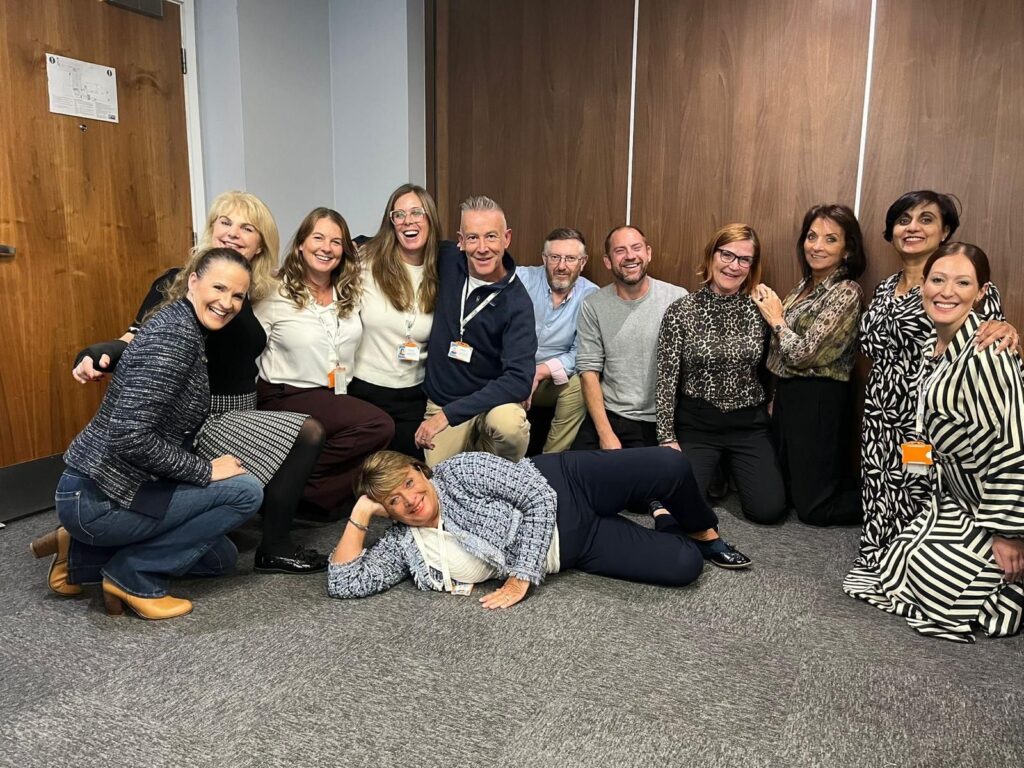
In line with regulations across all European nations, the course is 95 hours in total and is delivered over 11 days. You’ll also complete one additional day of pre-course learning through our online Learning Management System (LMS) before the course begins.
To support your learning, each course includes a scheduled “day off” midway through the programme, and you’ll receive a full course timetable after enrolment so you can plan ahead with confidence.
You’ll need a good level of English comprehension. This ensures you can fully participate in the classes and successfully complete the exams. Before enrolment, your English level will be assessed during a short video call with a member of the SkyPeople Training team.
EASA regulations also require all learners to be able to swim unaided (without the use of a life jacket), as you’ll take part in life raft survival training in a swimming pool. It’s therefore essential that you’re confident swimming before starting the course.
As our training manuals and exams are accessed online, you’ll need a portable electronic device (such as a laptop or tablet) to fully participate in the programme.
If you have any questions about these requirements, our team will be happy to guide you.
There are several modules: Aviation Regulations, Fire and Smoke, Safety and Emergency Procedures, Aviation Security, Aviation First Aid, Survival, Crew Resource Management and Flight Time Limitations.
During the course, you’ll complete 7 exams and 4 competency-based assessments. Each exam has a pass mark of 90%, helping ensure you meet the high professional standards expected in aviation.
If you don’t pass an exam on your first try, don’t worry — you’ll have a chance to resit it. If a resit isn’t successful, or if three exams are failed in total, you’ll be withdrawn from the current course. We’ll then discuss options for joining a future course with you personally, so you’re always supported.
Remember, you’re never on your own! Our amazing SkyPeople Training instructors are here to guide you, answer your questions, and help you every step of the way. We’re committed to making sure you feel confident and ready to succeed.
Go to our COURSES page to book onto our next available course, or click here
GET IN TOUCH
Contact Us
Whether you’re an airline, educational institution, or individual looking for training — we’d love to hear from you.
Address
SkyPeople Training Academy, Manchester, UK, M40 5BJ
Phone
0161 203 3177